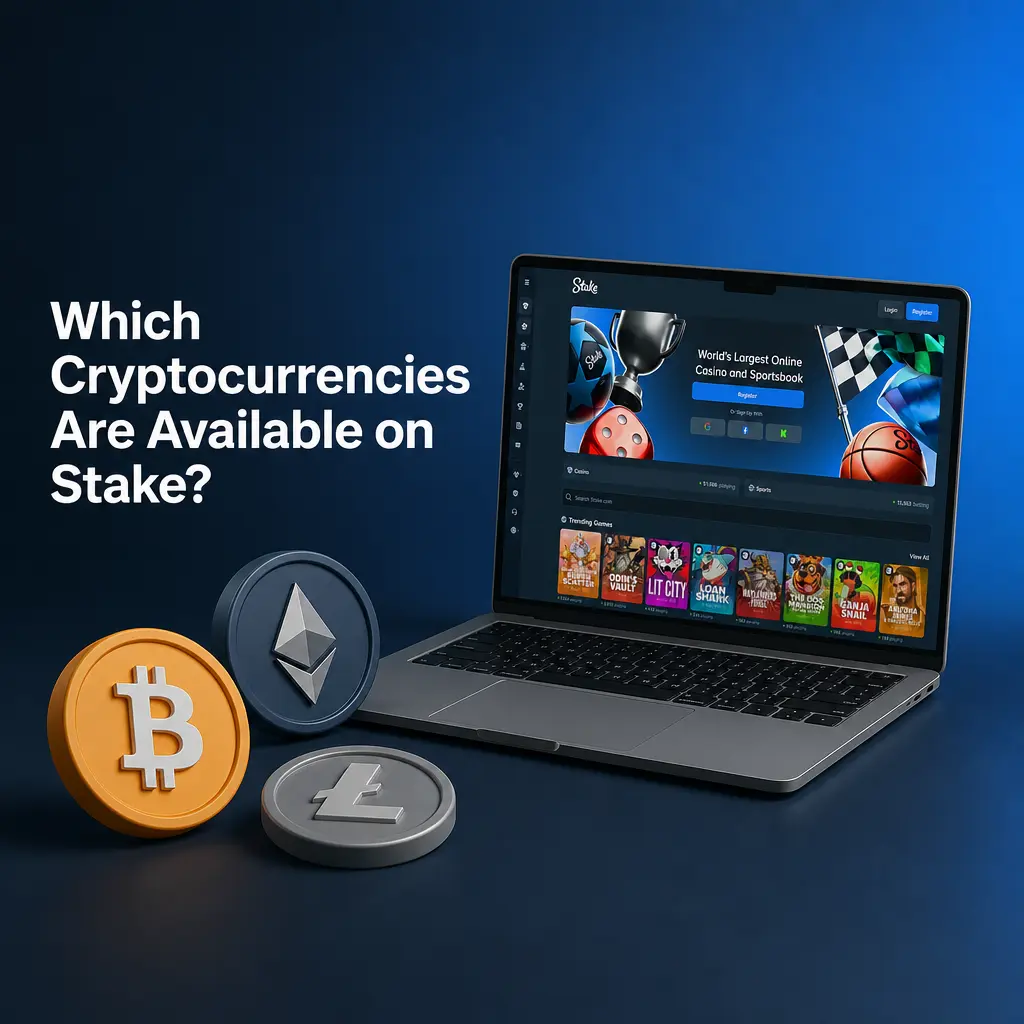
Cryptocurrency is virtual currency built for online transactions without banks or intermediaries acting as go-betweens. Bitcoin, launched in 2009, remains the most recognized cryptocurrency and set the model most altcoins now follow. Each transaction runs on blockchain technology, a public ledger that records transfers across a decentralized network of computers, which keeps transactions anonymous and free of a central authority.
Crypto payments do not require players to share banking details, and you can send funds by entering a wallet address manually or scanning a QR code payment link during deposit. To hold and use any cryptocurrency, you need a crypto wallet: a hot wallet connected to the internet for quick access, or a cold wallet stored offline for added security. Each wallet pairs a public key, the address others use to send funds, with a private key, used to authorize outgoing transactions.
Cryptocurrency values shift based on market demand, and price fluctuation is a normal part of holding or spending digital currency. Check current exchange rates before you make a crypto deposit or withdrawal, since rates for crypto-to-fiat conversion change throughout the day.